Brown Dog Lab - Providence, RI
November 2024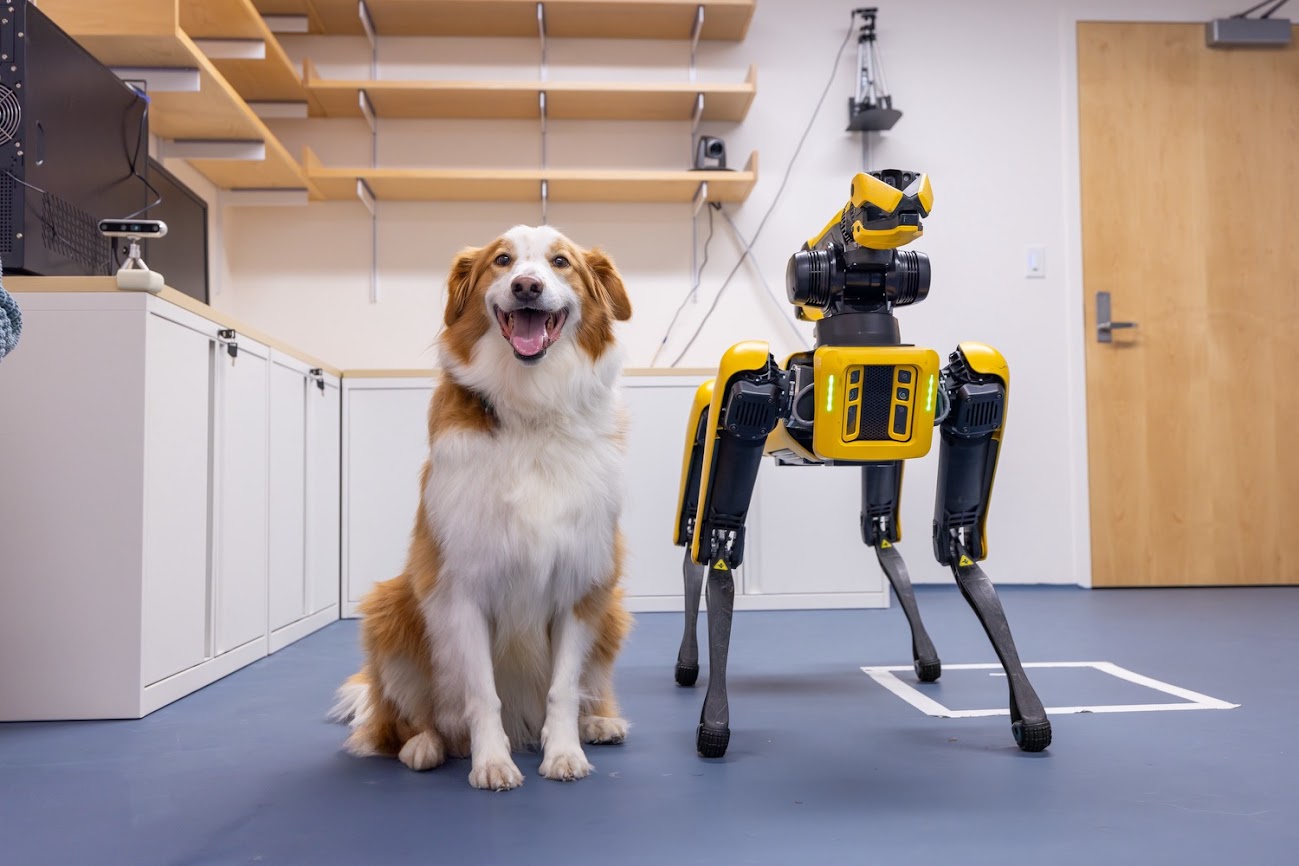

November 2024
September 2021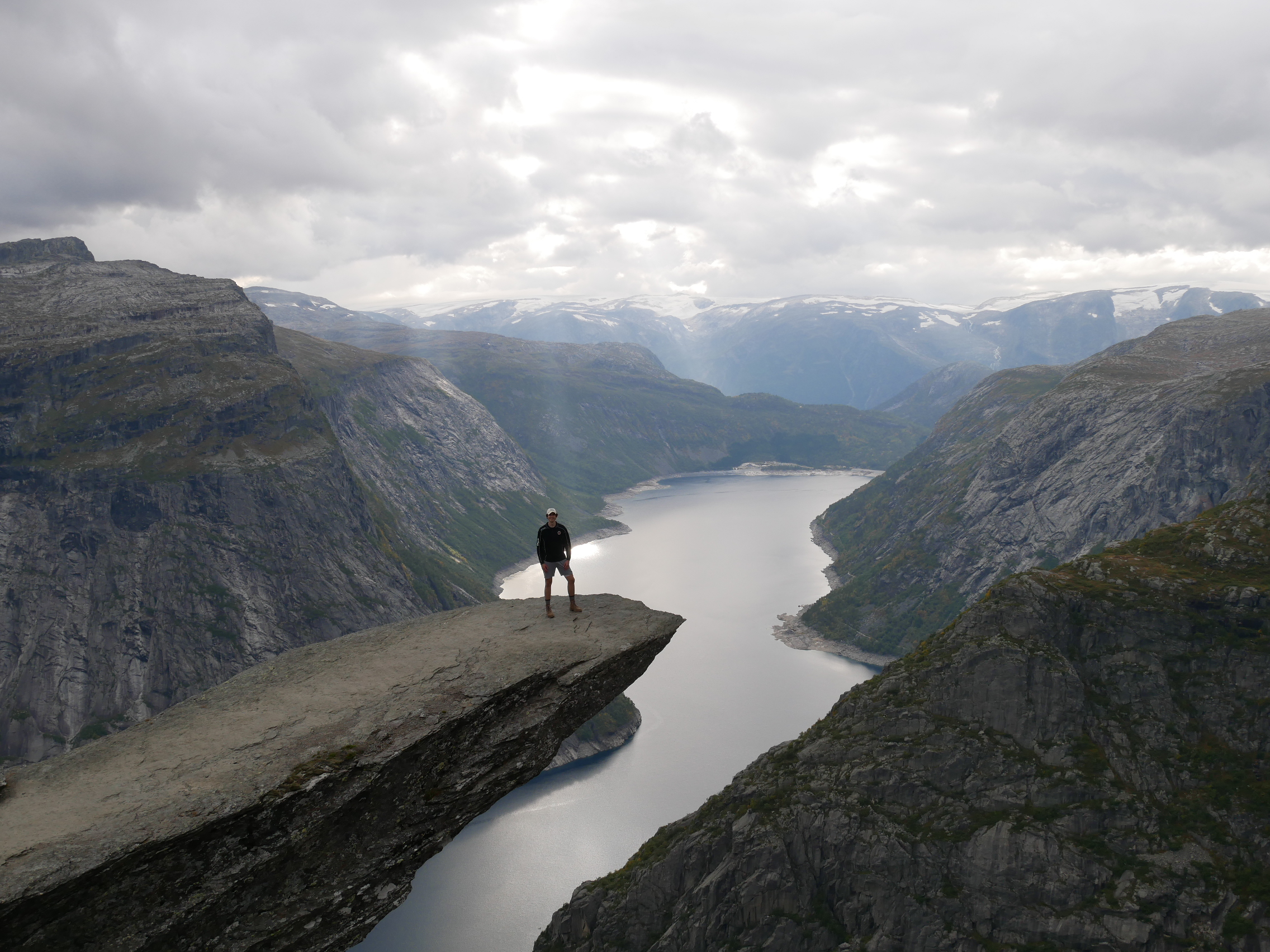
March 2023
March 2022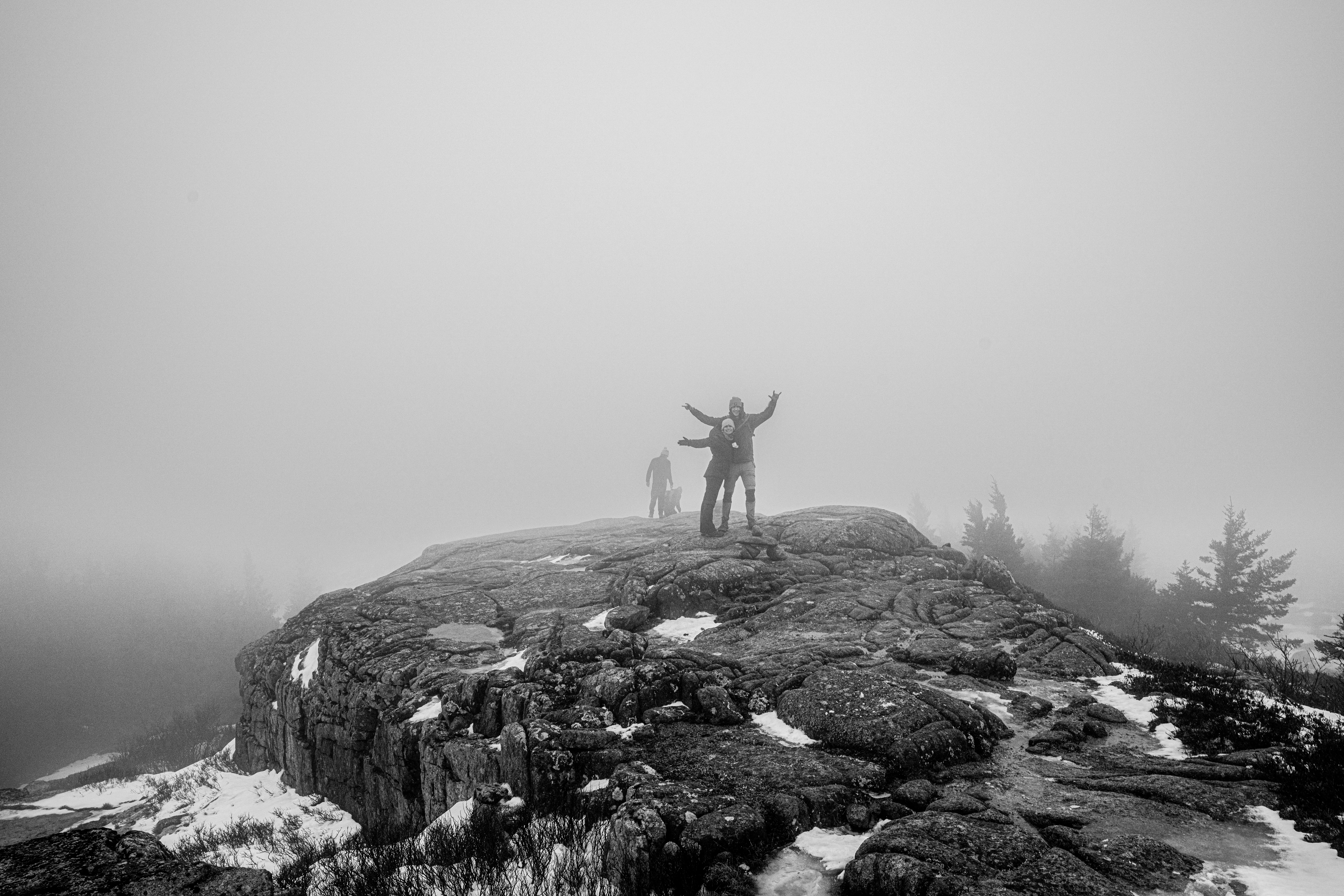
December 2021
March 2023
October 2021
March 2023
Published in Annals of Botany, 2021
Terrestrial laser scanners (TLSs) have successfully captured various properties of individual trees and have potential to further increase the quality and efficiency of forest surveys.
Recommended citation: Boucher, Peter B., Ian Paynter, David A. Orwig, Ilan Valencius, and Crystal Schaaf. (2021). "Sampling forests with terrestrial laster scanning" Annals of Botany. 128(6), 689-708 http://ivalencius.github.io/files/mcab073.pdf
Published:
Presenting my Scholar of the College thesis at the 2023 BC EESC departmental colloqium.
Published:
Boston College USACE ERDC Meeting.
Published:
Part of the 2024 Boston College Graduate Research Symposium.
Published:
Improving our understanding of watershed response to disturbance is essential, given widespread mining and agriculture in riparian zones, as well as the increasing prevalence of floods and fire due to climate change. Remote observation of rivers by satellites has recently produced novel insights into river response trajectories, especially focusing on suspended sediment transport, which can be an indicator of upstream watershed health. Yet detection of subtle or fine-scale patterns and changes in remains difficult, given the spatial, temporal, and/or spectral limitations of long-standing satellite missions. New public and private satellite missions offer the potential for weekly to sub-daily earth observation at spatial resolution of 10 meters or better. Capitalizing on these advancements, we have developed a suite of algorithms for the Sentinel-2 Multispectral Instrument and Planet Labs satellites, trained on tens of thousands of groundtruth samples from diverse settings in the United States, Canada, and Greenland. We find that these algorithms perform comparably to state-of-the-art algorithms for Landsat satellites, with approximately 70% relative error for individual measurements. Calibration for individual rivers improves algorithm performance: for Planet Labs observations of the Yellowstone River in Montana, USA, we achieve a roughly 50% improvement in relative error across different sensors, similar to Landsat-based, river-specific calibrations. The improved spatial and temporal resolution offered by these satellites allows for sediment transport estimates on rivers as narrow as 10–20 m wide; facilitates sediment source attribution; generates longitudinal and tributary estimates on seasonal and event timescales; and enables the near-continuous monitoring of perturbed watersheds.
Undergraduate course, University 1, Department, 2014
This is a description of a teaching experience. You can use markdown like any other post.
Workshop, University 1, Department, 2015
This is a description of a teaching experience. You can use markdown like any other post.